Sudden cardiac arrest hardly ever takes place in a peaceful center with a clinical group standing by. It occurs on the side of a football oval, close to an institution play ground, at a weekend break neighborhood occasion. Individuals closest to the child or grownup in difficulty are often not paramedics, but instructors, teachers, and volunteers.
That truth is why express CPR training and fast first aid courses exist. They are not faster ways in the careless sense. When done appropriately, they are first aid training in Logan concentrated, high-yield programs that give active individuals the abilities to act emphatically when seconds matter.
I have actually trained thousands of teachers, club authorities, and volunteer parents. The exact same motifs come up whenever: minimal time, contending concerns, a little bit of anxiety regarding getting it wrong, and a very solid feeling of obligation. This write-up is written with that said lived mix of pressure and commitment in mind.
Why quick CPR skills issue in your role
If you monitor children, run a team, or manage teams of individuals in your leisure, you already bring danger, whether you discuss it or not. Heart attack, extreme bronchial asthma, anaphylaxis, choking, major bleeding, head injuries, warmth ailment, diabetic emergency situations, seizures; these events do not wait for rescue response times.
In cardiac arrest, every minute without reliable CPR and early defibrillation can reduce survival by concerning 7 to 10 percent. In practice that indicates the college or sporting activities club that has people trained in CPR and standard first aid is often the distinction between a casualty and a survivor who leaves of hospital.
Formal first aid and CPR courses are essential, however the truth for numerous volunteers is extreme: long courses are difficult to participate in, financing is restricted, and lineups are complete. Express first aid and express CPR training goal to bridge that gap by pressing crucial content right into much shorter, a lot more concentrated delivery.
What "express" CPR and first aid actually means
The phrase gets thrown around casually in marketing. In practice, a good express first aid course does not reduce corners on the fundamentals. Instead, it eliminates nice-to-have content, long academic detours, and expanded evaluation layouts so that busy grownups can obtain first aid certificates or CPR certification in a few concentrated hours.
Here is what express cpr courses and fast first aid training generally alter compared with a full-day first aid course:
- shorter overall duration, typically 2 to 3 hours for express CPR and 3 to 5 hours for express first aid more pre-course on-line understanding, to ensure that concept is covered in your home and classroom time is utilized for hands-on practice tighter focus on the most likely and most severe emergency situations for your context, such as sports injuries or child care incidents streamlined assessment based upon scenario performance instead of lengthy paper tests
If you see "fast first aid course near me" in your search results, look thoroughly at the description. Numerous credible training organisations now supply blended layouts, where first aid training theory is finished online and the in-person component is express and very practical.
The trick is that rate comes from far better style, not from avoiding crucial skills.
Core abilities every instructor, teacher, and volunteer ought to in fact have
A great deal of individuals inform me "I simply want CPR training." After a few concerns, what they actually desire is self-confidence that they can manage the first 5 to 10 minutes of any type of serious occurrence till aid arrives.
For trainers, educators, and volunteers, a solid express first aid and CPR course should leave you able to:
- recognise heart attack, begin high-quality CPR, and use an AED confidently manage a choking kid or adult, including the grey areas where the person is still aware yet struggling control serious blood loss with direct pressure and straightforward improvisated techniques if packages are limited respond to a subconscious but breathing person, including secure positioning and ongoing monitoring identify and manage anaphylaxis and severe bronchial asthma making use of usual college or club emergency kits
Beyond that core listing, your context issues. A younger rugby trainer gain from added time on spine precautions, blast, and fractures. A child care teacher requires depth in paediatric air passage, febrile convulsions, and consumption of toxins. An event volunteer may need more focus on crowd cases, heat health problem, and diabetic emergencies.
This is one location where express child care first aid courses can be very useful. They take the conventional first aid and CPR content, after that intentionally turn it toward infants and kids: smaller respiratory tracts, different compression methods, developing practices, and regular childcare hazards.
A peek inside a realistic emergency
A story from a Saturday early morning netball ground sticks with me. A 12 year old broken down during warm-up. No prior history that any person recognized of. Coach thought initially it was a fainting episode. 2 minutes later on, still unresponsive, hardly breathing.
The train had actually completed a fast cpr correspondence course 3 months previously. She recognised agonal breathing, called it as cardiac arrest, and started compressions. Another moms and dad brought the club AED. They adhered to the prompts, provided a shock, and proceeded CPR up until rescue teams arrived.
If you read the case notes, you see medical terms and end result summaries. What does disappoint is the reality that the train had actually said with herself regarding doing the course since it finished at 10 pm on a job night and she felt worn down. She went anyway, did the fast cpr training, and when the minute came, her mind had someplace to go aside from panic.
This is where express CPR training repays. It turns vague intent right into practiced behavior, without asking for a complete day of rest work.
Balancing rate and high quality in fast first aid courses
There is a factor where a course comes to be also "fast" and high quality suffers. From an instructor's perspective, there are a couple of warnings:
If the schedule enables less than around 90 minutes of hands-on method for CPR and AED make use of combined, skill retention will be bad. Individuals may pass the analysis yet will not feel comfy in an actual emergency.
If the class size is too large about the number of manikins and trainers, students wind up enjoying more than doing. In first aid and CPR training classes, each person needs multiple complete cycles of compressions and breaths, not simply a token 30 seconds.
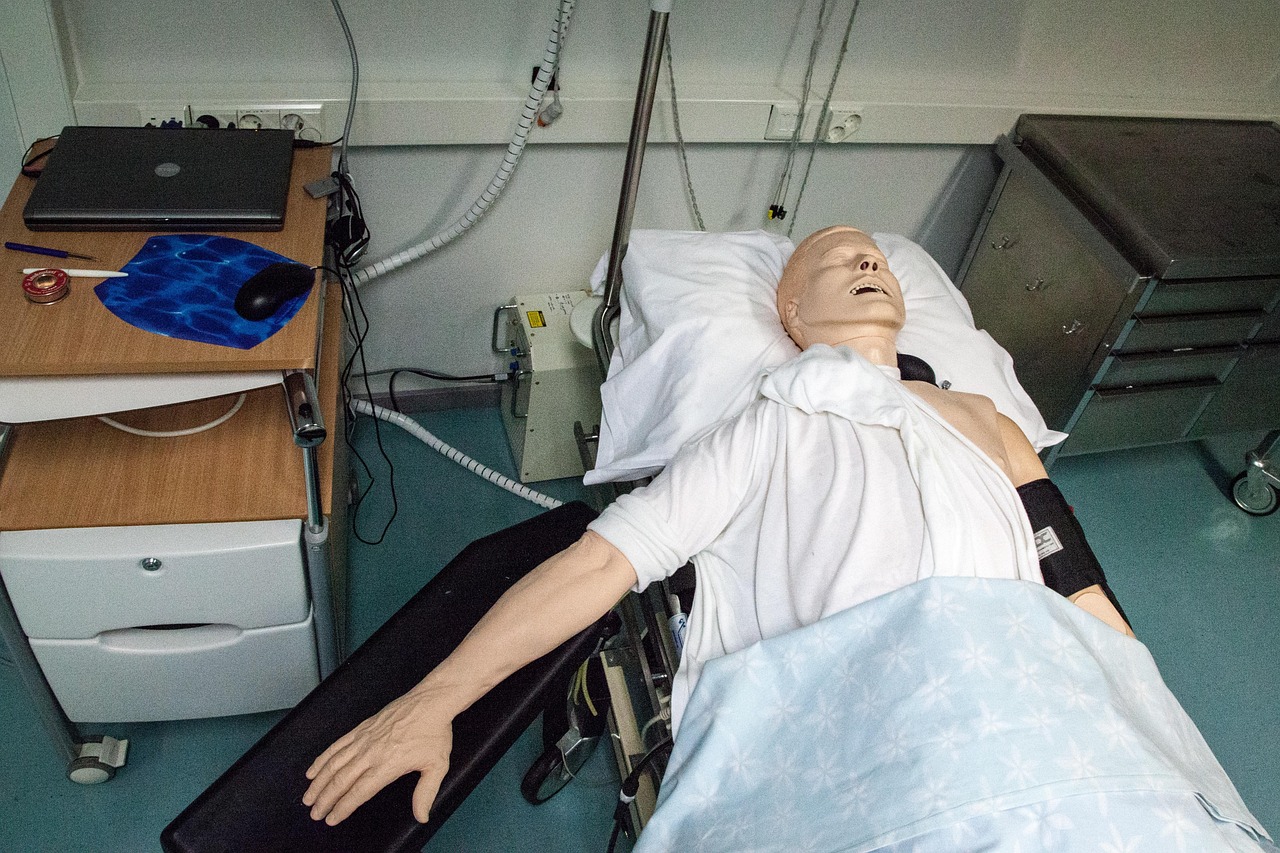
If the web content feels like a rapid slide show of every possible problem without time for scenario method, you may win expertise yet without useful fluency. Fast first aid courses need to tighten scope to core issues and Click here drill those well, rather than skim everything.
On the various other hand, there is such a thing as excessively long training that tires students and dilutes emphasis. I have seen 8 hour first aid courses where the last two hours contain everybody slogging via tests while quietly wishing the clock to run out.
The wonderful spot for lots of busy adults is mixed shipment: online, self-paced lessons covering composition, lawful duties, and low-risk topics, followed by a focused practical session of 2 to 4 hours. This layout appreciates grownups' time while maintaining criteria high.
What to anticipate in an express CPR or first aid session
If you book an express cpr course or express first aid training, it assists to understand what you are registering for. A well-designed session generally complies with a straightforward rhythm:
- brief evaluation of your pre-course knowing and an opportunity to ask concerns or clear up misconceptions demonstration of core skills by the instructor, then immediate practice by students on manikins or training partners short, reasonable scenarios that integrate abilities, such as coming close to a broken down individual, checking action and breathing, calling for help, and beginning CPR assessment woven right into circumstances, so it feels like trouble fixing as opposed to a staged exam
Sessions for trains and teachers usually include scenario aspects based on actual settings: a congested sideline, an indoor gym, a classroom, or a playground. The goal is to assist you mentally rehearse what you would in fact perform in your very own setting.
You ought to leave an excellent express cpr training session tired from physical practice, a little shocked at just how demanding efficient compressions are, and dramatically much more certain than when you strolled in.
If you finish a fast first aid course sensation like you primarily enjoyed PowerPoint slides and hardly touched a manikin, the course layout has missed the mark.
Choosing the best express course provider
Typing "fast first aid course near me" or "express cpr courses" right into an internet search engine generates a forest of alternatives. Some are exceptional, a couple of are low, and numerous being in the middle.
Here are functional points I utilize when assisting an institution or club pick a carrier:
Accreditation and acknowledgment matter. In numerous regions, a recognised first aid certificate need to come from a signed up training organisation or a comparable body. If you need your qualification to satisfy workplace or regulatory needs, inspect that the carrier checklists system codes or formal course identifiers, not just marketing language.
Look at course size and devices. An appropriate proportion is often one manikin for each 2 students for CPR method. If a provider tries to press 25 individuals right into a 2 hour express cpr course with 3 manikins, skill practice will suffer.
Ask just how the web content is tailored. An excellent carrier will have variants such as express childcare first aid courses, sports-focused first aid training, or workplace-specific programs. A "one size fits all" lecture is not as effective.
Check recency and update practices. Standards for first aid and CPR evolve. Carriers who point out present resuscitation council guidelines and regular course updates are more probable to educate as much as day methods.
Finally, consider logistics. On-site express first aid training at your college, club, or community center often works much better than sending people off to public courses. Individuals feel much more kicked back in familiar surroundings, and scenarios can make use of real equipment and spaces.
Special focus: express childcare initial aid
Childcare and early understanding environments have a particular danger account. Younger kids can not describe their signs well. They check out by putting things right into their mouths. They have smaller sized respiratory tracts and various physiology. Personnel manage responsibility of care for several children at once.
An express childcare first aid course needs to acknowledge that fact. The core abilities are the same first aid and CPR principles, however adapted.
Paediatric CPR method is different: smaller sized hands, various compression deepness, gentle head tilt. Choking monitoring in infants and kids uses thoroughly regulated back impacts and breast thrusts, not just scaled-down grown-up methods.
Allergic responses and anaphylaxis are a lot more typical in this age. Educators has to understand just how to identify early signs, utilize EpiPens or similar devices, and manage the disorderly couple of minutes while awaiting a rescue and comforting other children.
Head injuries from falls, febrile convulsions, ingestion of non-food products, and playground fractures all include much more greatly in express child care first aid training than in a common first aid course.
Importantly, a fast first aid course in a childcare atmosphere should attend to communication with parents and documentation. After a serious occurrence, your created record, tranquil explanation, and proof that personnel hold present first aid certifications commonly come under scrutiny.

Express childcare first aid courses work best when arranged right into regular personnel training schedules, so brand-new teachers and relief team are swept into the very same requirement as irreversible employees.
Keeping abilities fresh with fast CPR refresher courses
CPR is a physical ability. It decays with time, much like any strategy you do not exercise. Research study suggests that performance begins to go down within months if there is no refresh, even if your official certificate remains valid for one or more years.
For that reason, I urge institutions and clubs to treat fast cpr refresher courses as an annual ritual as opposed to an administrative afterthought. Short, concentrated refresher courses that run for one to two hours and concentrate only on apprehension acknowledgment, compressions, breaths, and AED usage can match personnel conferences or preseason planning evenings.
You do not need to repeat a full first aid course annually. Instead, a cycle works well: complete first aid and CPR training in year one, express cpr training or refresher in year 2, after that a combined first aid and CPR course in year three to reset understanding and certificates.
Between formal cpr training Brisbane courses, micro-practice assists retention. 2 minutes of compressions on a manikin obtained from a regional company, quick "what would you do?" circumstances at personnel instructions, or perhaps mental rehearsal when you pass the AED cabinet maintains neural pathways warm.
Integrating first aid and CPR into day-to-day practice
Training is just half the work. The various other half is installing first aid and CPR assuming right into the means groups, classrooms, and community groups operate.
For coaches, that may resemble designating a "safety and security lead" for each training session, somebody that understands where the first aid package and AED are, has finished a current express first aid course, and lugs a charged phone. It might indicate straightforward pre-season interactions to parents regarding medical problems, asthma action plans, and who holds first aid certificates at the club.
Teachers can incorporate fundamental first aid recognition right into health lessons, educating older trainees exactly how to identify emergency situations, when to call for assistance, and how to help an adult who is executing CPR. It comes to be a common responsibility as opposed to a secret ability a couple of team hold.
Volunteers at area events can obtain a brief pre-briefing on emergency situation treatments: who is learnt first aid and CPR, where the sets lie, where ambulances can access the website, and just how to direct bystanders in a crisis.
This is where fast first aid, express CPR, and various other compressed formats shine. Due to the fact that the courses are brief, you can run them regularly, for even more individuals, and incorporate them smoothly into existing training days or intending meetings.
When a fast course is not enough
There are likewise limits to what express styles can reasonably achieve. If your function includes risky settings, such as remote camps, get in touch with sporting activity events, or managing students with complex medical needs, a short express first aid course might be insufficient on its own.
In those settings you might combine basic first aid courses with extra components: sophisticated resuscitation, remote area first aid, or particular training in bronchial asthma and anaphylaxis. A fast certification path is still feasible, yet it includes piling targeted brief courses rather than counting on a solitary express session.
Equally, some individuals gain from slower pacing. New volunteers with bad proficiency, individuals utilizing English as an added language, or staff with high anxiety around clinical circumstances often require more time, even more rep, and smaller sized teams. That is not a failing of express first aid training, simply a pointer that a person format does not fit everyone.
The finest providers will certainly supply alternatives: express first aid courses and fast cpr courses for those that are comfortable and time-poor, alongside more typical full-day programs when depth and reflection are needed.
Bringing it back to your next step
If you are a coach, educator, or neighborhood volunteer reading this, the practical question is easy: what will you do before the following period, term, or major event?
You do not have to come to be a paramedic. You do not need to memorise every clinical problem. You do need a clear, practiced action to the handful of emergency situations that can alter lives in minutes.
Look for recognised first aid and cpr training that values your time. Consider a mixed first aid and cpr course or an express cpr training session incorporated into your existing commitments. If you deal with kids, especially in very early years, prioritise an express childcare first aid course that concentrates squarely on paediatric needs.
Most of all, stay clear of placing it off. On an average day, when somebody on your area or in your class unexpectedly falls down, the only thing that matters is whether somebody nearby has made the effort to discover what to do in those first essential minutes.